
Pharmacy Patient Retention: SMS, Email & Loyalty Programs That Increase Prescription Refill Rates by 40%
Acquiring a new pharmacy patient costs 5–7x more than keeping an existing one. Discover the SMS workflows, email sequences, and loyalty structures that top independent pharmacies use to maximize patient lifetime value.
Pharmacy Patient Retention: SMS, Email & Loyalty Programs That Increase Prescription Refill Rates by 40%
Most pharmacy marketing conversations focus entirely on acquisition: how do you get new patients through the door?
But the math changes completely when you look at retention.
The average independent pharmacy loses 25–35% of its active patient base every year — mostly to inertia, inconvenience, or simply because a chain pharmacy was slightly closer to a patient's new apartment.
The pharmacies generating the most revenue per square foot aren't necessarily the ones with the biggest acquisition budgets. They're the ones that keep the patients they already have.
This guide covers the exact SMS workflows, email sequences, and loyalty program structures that maximize patient retention and prescription refill rates for independent pharmacies.
The Economics of Pharmacy Patient Retention
Before the tactics, understand why retention deserves more of your attention than acquisition.
Patient Acquisition vs. Retention Math:
| Metric | New Patient | Retained Patient (Year 2+) |
|---|---|---|
| Cost to acquire/maintain | $45–$120 | $8–$20 |
| Average annual prescription spend | $800–$1,200 | $1,400–$2,200 |
| OTC and front-end purchases | Sporadic | 3–4x more likely |
| Referral likelihood | Low | High (4.2x more likely to refer) |
| Margin on prescriptions | Standard | Higher (less price sensitivity) |
A pharmacy that reduces annual patient churn from 30% to 18% — a 12-point improvement — can increase total revenue by 15–25% with zero new patient acquisition.
Part 1: SMS Marketing for Pharmacies
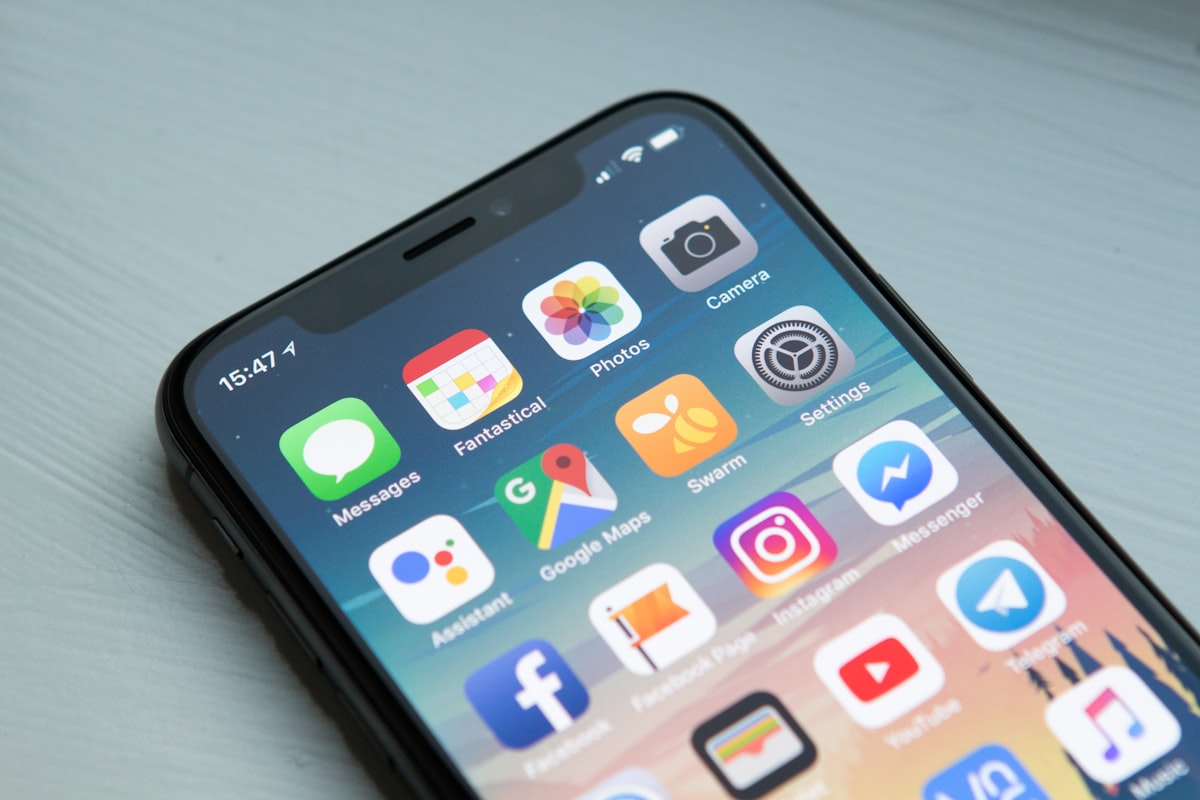
SMS is the single most effective retention channel for pharmacies. Open rates average 98% and most messages are read within 3 minutes of delivery. Compare that to email (22% average open rate in healthcare) or push notifications (10–15%).
HIPAA Compliance First
Before any SMS program, understand your compliance obligations:
- Obtain explicit written consent before texting patients (include in new patient intake forms)
- Use a HIPAA-compliant SMS platform (not standard texting tools like Twilio's consumer products)
- Never include specific PHI (Protected Health Information) in text messages — no medication names, dosage information, or health conditions
- Provide easy opt-out in every message
- Use a Business Associate Agreement (BAA) with your SMS vendor
HIPAA-compliant platforms to evaluate: Klara, Weave, RxMosaic, PioneerRx (if integrated with your pharmacy management system), Doctible.
The 5 SMS Workflows Every Pharmacy Should Run
Workflow 1: Refill Reminder Sequence
This is the highest-ROI SMS workflow. Patients miss refills primarily because they forget, not because they don't want the medication.
Message 1 — 7 days before estimated run-out:
"Hi [First Name], your prescription at [Pharmacy Name] may be due for a refill soon. Reply YES to have it ready for pickup, or call us at [Number]. Reply STOP to opt out."
Message 2 — 3 days before estimated run-out (if no response):
"[Pharmacy Name]: Your prescription may be running low. We can have it ready same day. Call [Number] or visit us at [Address]. Reply STOP to opt out."
Message 3 — Day of estimated run-out (if still no action):
"[Pharmacy Name]: Don't miss a day of your medication. Call [Number] or stop in — we'll take care of you. Reply STOP to opt out."
Implementation note: Most pharmacy management systems (PMS) can calculate estimated run-out dates from days-supply dispensed. Work with your PMS vendor to automate trigger-based SMS sends.
Workflow 2: Prescription Ready Notification
"[Pharmacy Name]: Your prescription is ready for pickup! We're open until [Time] today. Address: [Address]. Questions? Call [Number]. Reply STOP to opt out."
This reduces abandoned pickups significantly. When patients know exactly when their medication is ready, same-day pickup rates increase by 35–45%.
Workflow 3: Welcome Sequence for New Patients
Day 1 (after first fill):
"Welcome to [Pharmacy Name], [First Name]! We're glad to have you. Save our number for easy refill requests. Have questions about your medication? Text or call us anytime. Reply STOP to opt out."
Day 14:
"[Pharmacy Name] tip: Setting up medication synchronization means all your prescriptions refill on the same day each month — no extra trips. Interested? Call [Number] or ask next time you're in. Reply STOP to opt out."
Day 30:
"Hi [First Name] — it's been a month! Reminder that we offer [loyalty program/free delivery/MTM service]. Call [Number] to learn more. Reply STOP to opt out."
Workflow 4: Medication Synchronization Enrollment
Medication synchronization (med sync) is the single most powerful retention tool in pharmacy. Patients on med sync have 90%+ retention rates versus 65–70% for non-synchronized patients.
SMS is the most effective channel for med sync enrollment:
Targeting: Send to patients with 3+ active prescriptions with staggered refill dates
"[First Name], you have [X] prescriptions at [Pharmacy Name]. Did you know we can sync them all to one monthly pickup? Fewer trips, never run out. Reply YES to learn more or call [Number]. Reply STOP to opt out."
For patients who reply YES, trigger a callback from your pharmacist or technician to complete enrollment.
Workflow 5: Win-Back Campaign for Lapsed Patients
Define "lapsed" as: a patient who hasn't filled at your pharmacy in 90+ days despite having active prescriptions.
Message 1 — 90 days since last fill:
"Hi [First Name], we miss you at [Pharmacy Name]! If you've had trouble with insurance, wait times, or anything else — we'd love to help. Call [Number]. Reply STOP to opt out."
Message 2 — 30 days later (if no response):
"[Pharmacy Name]: As a valued patient, we want to offer you [specific incentive — e.g., free delivery for 90 days / $10 off front-end purchase]. Come back and let us serve you. Reply STOP to opt out."
Win-back campaigns recover 15–25% of lapsed patients when executed within 180 days of lapse.
Part 2: Email Marketing for Pharmacies
Email is slower than SMS but more powerful for education, relationship-building, and complex communication. Use email where depth matters; use SMS where immediacy matters.
Building Your Email List
- Add email capture to every new patient form
- Offer an incentive: "Sign up for our monthly health newsletter and get [benefit]"
- Capture at point-of-sale: "Can I get your email to send you your receipt and refill reminders?"
- Use a sign-up form on your website and Google Business Profile
Target: Capture email addresses for at least 60% of your active patient base within 12 months.
The 4 Email Series That Drive Retention
Series 1: New Patient Welcome Sequence (5 emails over 30 days)
Email 1 (Immediately after first visit): Subject: "Welcome to [Pharmacy Name] — here's what to expect"
Content: Brief introduction to your pharmacy, pharmacist headshot and bio, your services overview, contact information, what to do if they have a medication question.
Email 2 (Day 7): Subject: "A question about your medications"
Content: Educational content about their likely medication type (if you can segment) or general medication adherence tips. Include a soft CTA: "If you ever have questions about your prescription, reply to this email or call [Number]."
Email 3 (Day 14): Subject: "Save time with medication synchronization"
Content: Explain med sync in plain language. Include a simple FAQ. CTA: "Call us to get started or ask next time you pick up."
Email 4 (Day 21): Subject: "Services you might not know we offer"
Content: Spotlight 2–3 services that differentiate you — compounding, immunizations, MTM, delivery, blister packs, diabetic supplies, etc.
Email 5 (Day 30): Subject: "You're part of our pharmacy family"
Content: Thank them for being a patient. Introduce your loyalty program. Invite them to follow on social media. Share a community event or health tip.
Series 2: Monthly Health Newsletter
Send once monthly to your full active patient list. This is not a promotional email — it's a value-add that keeps your pharmacy top-of-mind.
Monthly newsletter structure:
- Health Tip of the Month: Seasonal or condition-specific (e.g., "Managing summer heat with blood pressure medications")
- Medication Spotlight: One medication explained in plain English — what it does, common side effects, what to watch for
- Pharmacy Update: New service, staff introduction, updated hours, community event
- Did You Know? A short, interesting pharmacy fact or adherence insight
- Reminder: Your refill options (phone, app, website)
Target: 30–40% open rate. Unsubscribe rate below 0.5%.
Series 3: Seasonal Campaign Emails
Time these to calendar events and health awareness months:
| Month | Campaign |
|---|---|
| January | "New Year Health Goals" — medication reviews |
| February | Heart Health Month — blood pressure, cholesterol education |
| March-April | Allergy Season — OTC recommendations |
| September-October | Flu Shot reminder campaign |
| November | Diabetic Awareness Month — diabetes management resources |
| December | "Year-End Checkup" — prescription benefit reminder (use remaining FSA/HSA) |
Series 4: Medication Adherence Education (Condition-Specific)
If your PMS allows segmentation by medication type or condition (and you can do so compliantly), targeted education emails dramatically improve adherence.
For example, patients filling diabetes medications could receive:
- Email 1 (Week 2 after first fill): "Understanding your diabetes medication — what to expect the first month"
- Email 2 (Month 2): "5 signs your diabetes medication is working (and 3 warning signs to call us about)"
- Email 3 (Month 3): "How diet interacts with your medication — what your pharmacist wants you to know"
Patients who receive condition-specific education refill at rates 28–35% higher than those who don't.

Part 3: Building a Pharmacy Loyalty Program
Loyalty programs in pharmacy serve two purposes:
- Increase front-end (OTC/retail) purchases
- Incentivize prescription consolidation (patients move all their prescriptions to you to maximize points)
Program Structure Options
Option A: Points-Based Program
- $1 spent on front-end = 1 point
- Prescriptions earn a flat 25–50 points per fill
- Redemption: 100 points = $1 off front-end purchase
Keep prescription earnings flat (not percentage-based) to avoid any appearance of rebating on insurance-covered medications.
Option B: Tiered Membership
| Tier | Qualification | Benefits |
|---|---|---|
| Member | Sign-up | 5% off all front-end items, birthday discount, newsletter |
| Silver | 6+ fills/year | Member benefits + free delivery, priority consultation |
| Gold | 12+ fills/year | Silver benefits + free blister packs, annual medication review |
Option C: Punch Card for Simplicity
If you want to start without software investment: a simple punch card for front-end purchases works for smaller pharmacies. Every 10th purchase of $10+ gets $5 off. Low-tech, no software required.
What Loyalty Programs Should NOT Include
- Do not link loyalty rewards to prescription volume or copay amounts — this can violate anti-kickback rules
- Do not offer discounts on covered medications as a loyalty benefit
- Consult with a healthcare compliance attorney before launching any rewards program
Measuring Loyalty Program Success
| Metric | Target |
|---|---|
| Program enrollment rate (% of active patients) | 45–65% |
| Active member fill rate vs. non-member | 35–50% higher |
| Front-end purchase frequency (members vs. non-members) | 2.5–3x higher |
| Annual retention rate for loyalty members | 85–90% |
Part 4: Medication Synchronization — Your Highest-Impact Retention Tool
Med sync deserves its own section because the retention data is compelling: pharmacies with mature med sync programs (40%+ of eligible patients enrolled) see overall patient retention rates 20–30 points higher than those without.
How Med Sync Works
All of a patient's chronic medications are aligned to refill on the same day each month. The pharmacy calls or texts 3–5 days in advance to confirm needs, changes, or issues.
The Med Sync Outreach Sequence
Step 1: Identify eligible patients Target patients with 3+ chronic medications with different refill dates. Your PMS can generate this list.
Step 2: Personal pharmacist outreach A personal phone call from the pharmacist (not a tech, not an automated system) explaining: "Hi Mrs. Jones, this is [Pharmacist Name] from [Pharmacy]. I wanted to call personally because I think I can make managing your medications a lot easier. Do you have 2 minutes?"
Enrollment rates from personal pharmacist calls: 45–65%. Enrollment rates from automated SMS/email: 15–25%.
Use pharmacist calls for your highest-value patients, automated outreach for the rest.
Step 3: Partial-fill coordination Work with your PMS to coordinate partial fills to align refill dates. This is the logistics work — it pays for itself in retention.
Step 4: Monthly synchronization call Call or text 3–5 days before fill date: "Hi [Name], your medications are due for pickup on [Date]. Any changes since last month? Any new prescriptions? Any questions for the pharmacist?"
This monthly touchpoint is what makes med sync so powerful — it's a built-in relationship maintenance mechanism.
Building Your 90-Day Retention System
Month 1: Foundation
- Add email and SMS consent fields to all intake forms
- Select and configure a HIPAA-compliant SMS platform
- Configure basic refill reminder workflow
- Set up prescription ready notification
- Start capturing email addresses at point-of-sale
Month 2: Sequences
- Launch new patient welcome email series (5-email sequence)
- Launch new patient SMS welcome sequence
- Identify your top 20% patients by fill volume — enroll in med sync personally
- Send your first monthly health newsletter
Month 3: Programs
- Launch loyalty program (start with Option B tiered structure if possible)
- Launch lapsed patient win-back SMS campaign (target: patients lapsed 90–180 days)
- Launch med sync SMS enrollment campaign for remaining eligible patients
- Begin tracking key retention metrics monthly
Key Metrics to Monitor Monthly
| Metric | Baseline | 90-Day Target |
|---|---|---|
| Patient retention rate (12-month) | ~70% | 80%+ |
| Prescription refill rate | 62–68% | 75–82% |
| Med sync enrollment (% of eligible) | ~15% | 30–40% |
| Email list size (% of active patients) | <20% | 50%+ |
| SMS opt-in rate (% of active patients) | <10% | 40%+ |
| Lapsed patient win-back rate | Unknown | 15–25% |
Conclusion
Patient retention is the most underleveraged growth lever in independent pharmacy. While competitors spend thousands on Google ads to acquire patients, the highest-ROI activity is keeping the ones you already have.
SMS workflows, email sequences, medication synchronization, and loyalty programs — implemented consistently — can increase your effective patient base by 15–30% without a single new acquisition dollar spent.
Start with SMS refill reminders and new patient email welcome sequences this week. Add med sync outreach next month. Build the loyalty program in month three. Within 90 days, you'll have a retention system that compounds in value every year.
Want help building a patient retention system tailored to your pharmacy? Contact the NeX Consulting Team for a free strategy consultation.
External Resources:
Tags:
Ready to Implement These Strategies?
Our team of experts can help you turn these insights into real, measurable results for your business.